
Why do raves make strangers feel deeply connected? Explore the psychology, music, and shared energy behind human connection in rave and festival culture.
Introduction
People often describe raves as “life-changing,” “healing,” or “the place where I felt most myself.” These reactions are striking, especially considering that raves are loud, crowded, and often involve people who have never met before. Yet again and again, ravers talk about feeling an unusually strong sense of connection—to the music, to the crowd, and even to complete strangers.
This is not accidental. Rave culture is uniquely designed to dissolve social barriers and create moments of shared emotional intensity. Understanding why this happens reveals a lot about human psychology, modern loneliness, and why electronic music spaces feel so powerful to so many people.
Shared Rhythm Creates Collective Identity
At the core of every rave is rhythm. When hundreds or thousands of people move to the same beat, something subtle but profound happens. Human brains are wired to synchronize with rhythm, and when bodies move together in time, it creates a sense of unity.
This phenomenon, often called rhythmic entrainment, helps explain why crowds at raves feel connected even without verbal communication. Dancing to the same tempo aligns breathing, movement, and attention. Over time, the crowd begins to feel like a single organism rather than a group of individuals.
Unlike concerts where people focus on lyrics or performance, electronic music often removes language entirely. Without words, connection becomes physical and emotional rather than intellectual.
The Power of Non-Verbal Communication
Raves rely heavily on non-verbal interaction. Eye contact, shared smiles, movement, and gestures replace conversation. This reduces social pressure and eliminates many of the barriers that normally prevent people from connecting.
In everyday life, communication is filtered through status, language, background, and expectation. At a rave, those filters weaken. You do not need to explain who you are or what you do. Presence is enough.
This is especially powerful for people who feel socially anxious, introverted, or disconnected in traditional social settings. Raves offer a rare environment where connection feels effortless.
Music as Emotional Regulation
Electronic music has a unique ability to regulate emotion over long periods of time. DJs guide energy intentionally, building tension and release through gradual changes rather than sudden shifts. This creates a shared emotional journey.
When an entire crowd experiences emotional buildup and release together, it strengthens bonding. The drop is not just a musical moment—it is a collective emotional release. People cheer, hug, laugh, or close their eyes at the same time.
This synchronized emotional experience is one of the strongest drivers of connection in rave culture.
Temporary Communities and Psychological Safety
Raves function as temporary communities. For a few hours or days, people enter a space governed by shared rules: respect the dance floor, look out for each other, and let people be themselves.
This sense of psychological safety is crucial. When people feel accepted without judgment, they are more open, expressive, and emotionally present. Many ravers describe feeling “seen” or “understood” even without conversation.
The temporary nature of these communities also plays a role. Knowing that the experience is fleeting encourages people to be more present and less guarded. There is freedom in knowing that nothing needs to last beyond the moment.
Escaping Performance Culture
Modern life often feels like constant performance—on social media, at work, and even in friendships. Raves offer an escape from this pressure. There is no requirement to be productive, impressive, or articulate.
In rave spaces, value comes from participation rather than performance. Dancing badly is acceptable. Silence is acceptable. Emotional expression is acceptable.
This release from self-monitoring allows people to connect more authentically. When people stop performing versions of themselves, connection becomes easier and more genuine.
The Role of Darkness and Lighting
Lighting plays a psychological role in connection. Dim or dramatic lighting reduces self-consciousness and shifts focus away from appearance. Darkness provides anonymity, which paradoxically makes people feel safer.
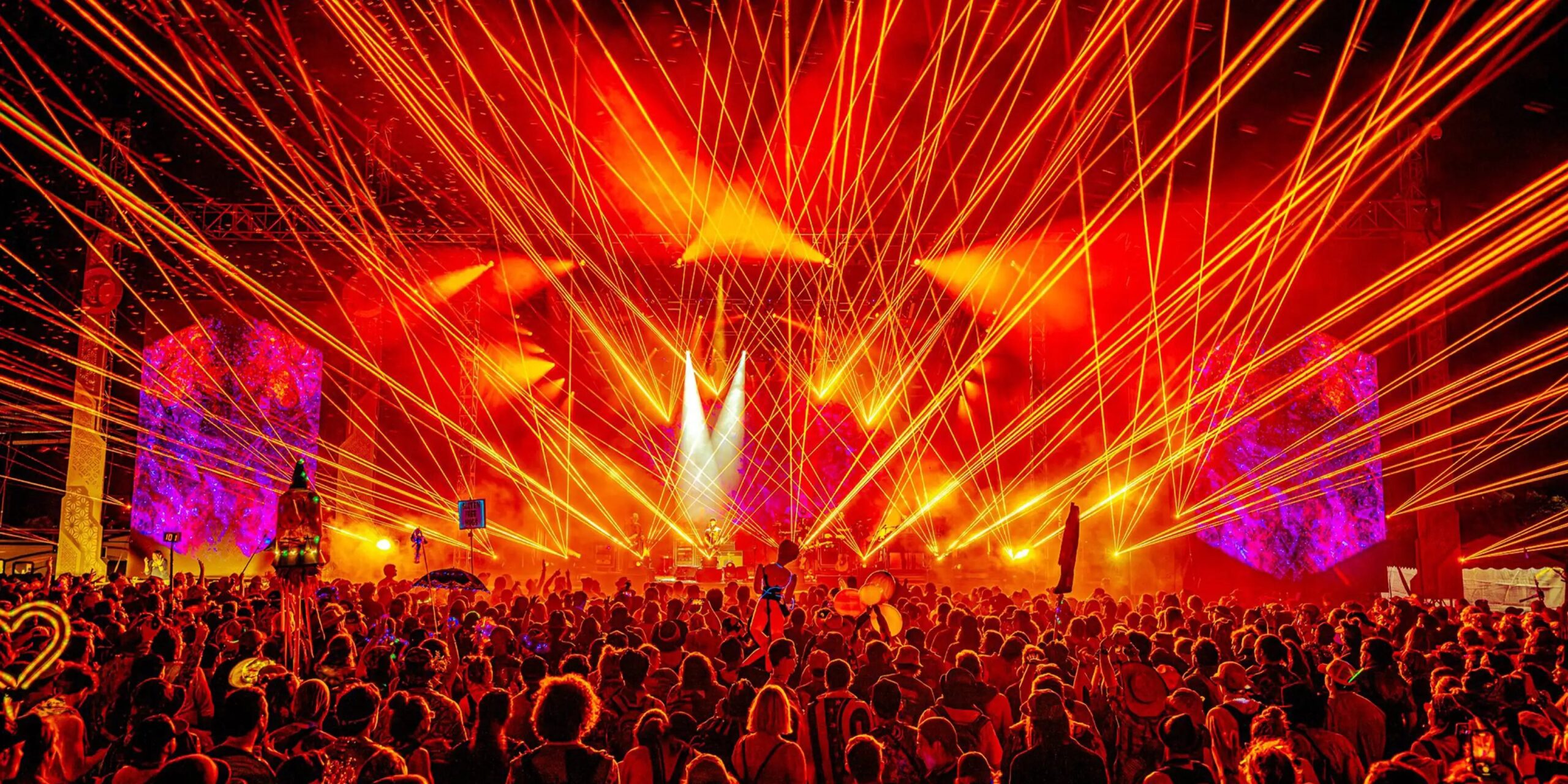
At the same time, synchronized lights create shared moments of awe. When a room explodes with light at the perfect musical moment, the reaction ripples through the crowd instantly. These shared visual moments reinforce collective emotion and memory.
People may forget specific conversations, but they remember how it felt to be there together.
Belonging in a Fragmented World
Many people discover rave culture during periods of transition, stress, or isolation. In a world that increasingly feels fragmented and individualistic, raves offer a rare sense of belonging without obligation.
You do not need to agree on politics, background, or lifestyle. You only need to show up and move with the music. That simplicity is powerful.
For some, rave culture becomes a reminder that connection does not always require explanation or structure. Sometimes it emerges naturally when people share space, sound, and intention.
Why the Connection Feels So Intense
The intensity of connection at raves often surprises people. This happens because multiple bonding mechanisms activate at once: synchronized movement, emotional alignment, sensory immersion, and psychological safety.
Few environments combine all of these elements so effectively. The result is a form of connection that feels immediate, deep, and memorable—even if it lasts only a night.
This intensity is not artificial. It reflects a very real human need for collective experience, something that many modern environments fail to provide.
Conclusion
Raves create strong human connection because they strip social interaction down to its most essential elements: rhythm, presence, and shared emotion. By removing language, status, and performance, rave culture allows people to connect in ways that feel instinctive and real.
In a time when many people feel disconnected despite constant communication, raves offer a reminder of how powerful shared experience can be. The connection may be temporary, but the feeling often stays long after the music stops.
