
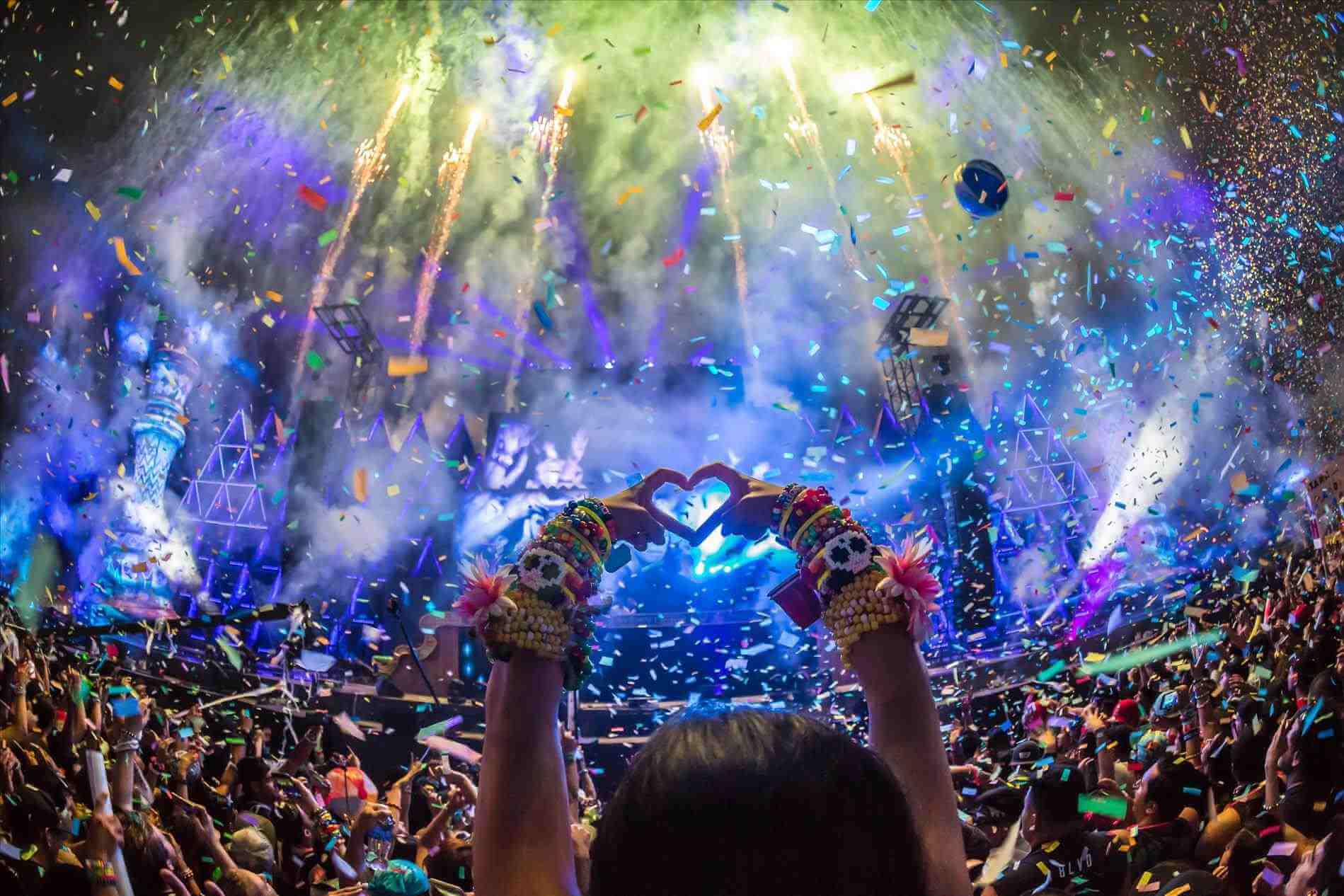
For decades, rave and festival culture has been associated with excess. Late nights, loud music, and heavy substance use became stereotypes attached to electronic music events. But something is shifting. A new movement is quietly growing inside global nightlife: sober raving and wellness-focused festival spaces.
More ravers are choosing to experience music without alcohol or drugs. More festivals are adding meditation tents, breathwork sessions, yoga classes, and sober dancefloors. Instead of escaping reality, people are learning how to drop deeper into the music, the moment, and themselves.
This evolution isn’t about killing the party. It’s about redefining what partying means.
What Is Sober Raving?
Sober raving is exactly what it sounds like: dancing, attending festivals, and experiencing electronic music without using substances.
For some people, sobriety is permanent. For others, it’s temporary or situational. Many ravers still attend events, love techno and house, and crave high-energy environments — they just choose to experience them clear-headed.
Sober raving isn’t about judging anyone else’s choices. It’s about personal agency. It’s about asking: How do I actually want to feel during and after this experience?
And more people are realizing that music alone can be intoxicating enough.
Why Sober Raving Is Growing
Several cultural shifts are fueling this movement.
First, there is a growing global focus on mental health and wellbeing. Younger generations are more open about anxiety, burnout, and emotional exhaustion. They are looking for experiences that nourish rather than deplete them.
Second, many ravers who grew up in the 2010s festival boom are now entering their late twenties and thirties. Priorities change. People still love dancing until sunrise — but they also love waking up without a crushing hangover.
Third, electronic music itself has evolved. Melodic techno, deep house, progressive house, and organic sounds encourage introspection, emotional release, and connection. These genres don’t require chemical enhancement to feel powerful.
Music has become the drug.
The Emergence of Wellness Spaces at Festivals
As sober raving gains traction, festivals are responding.
Wellness spaces are designated areas inside festivals focused on rest, grounding, and self-care. These spaces often include:
- Yoga and stretching sessions
- Breathwork workshops
- Guided meditation
- Sound healing
- Massage or bodywork
- Chill-out zones with cushions and shade
- Tea lounges or hydration bars
Instead of being tucked away, many festivals now place wellness spaces near main areas, signaling that self-care is part of the festival experience, not an afterthought.
These spaces serve both sober ravers and non-sober attendees. Even those who drink or use substances appreciate a place to reset.
It’s harm reduction. It’s accessibility. It’s evolution.
How Sober Raving Changes the Dancefloor
One of the biggest myths about sober raving is that it’s boring.
Ask anyone who regularly dances sober, and they’ll tell you the opposite.
Without substances, you become more present. You notice details in the music. You feel bass in your body differently. You remember entire sets. You form clearer memories. You connect with people through conversation, eye contact, and shared movement.
Sober dancefloors often feel more intentional. People are there because they genuinely love the music, not because they’re chasing a chemical high.
Energy still exists. Euphoria still exists. It’s just sourced differently.
The Role of Visual Stimulation in Sober Experiences
When you’re sober, visuals become even more important.
Lights, lasers, LED screens, and stage design carry more weight. Many sober ravers enhance their experience with visual accessories like diffraction glasses, LED hats, mirrored rave sunglasses, and glowing fans.
These accessories turn light into movement, patterns, and color explosions — adding an immersive layer to the experience without substances.
Visual stimulation becomes a tool for altering perception in a natural way.
This is why demand for festival accessories that interact with light continues to rise. People want to amplify what already exists rather than numb themselves.
Community Is at the Center of the Movement
Sober raving isn’t happening in isolation. Communities are forming around it.
Online forums, Instagram pages, Discord servers, and in-person meetups connect sober ravers before festivals. Some events now host sober meetups inside the festival grounds where people can connect and attend sets together.
This sense of belonging is powerful.
Rave culture has always been about unity, acceptance, and freedom. Sober raving aligns perfectly with those values.
It says: You’re welcome here exactly as you are.
Festivals Leading the Shift
Across the world, major festivals are integrating wellness programming into their official schedules. What started as small experimental zones has grown into full wellness villages at some events.
This isn’t just a trend. It’s a strategic response to changing audience needs.
Festival organizers recognize that long-term sustainability means taking care of their community. Burned-out, unhealthy attendees don’t return year after year. Healthy, supported ravers do.
Wellness spaces also attract new demographics: people who previously felt excluded from party culture now feel safe exploring electronic music spaces.
That expands the culture instead of shrinking it.
Sober Doesn’t Mean Serious
Another misconception is that sober raving is overly serious or spiritual.
In reality, it can be playful, chaotic, silly, and euphoric.
People still wear outrageous outfits. They still dance wildly. They still flirt. They still laugh.
The difference is intention.
Instead of escaping themselves, they’re celebrating themselves.
The Intersection of Wellness and Technology
Modern festivals are merging wellness and technology in interesting ways.
Immersive visual installations paired with ambient music. Biofeedback meditation pods. Interactive light tunnels. Spatial audio sound baths.
Technology isn’t just about louder speakers anymore. It’s about creating emotional journeys.
This aligns with the rise of wearable tech and LED accessories that interact with lighting environments. The line between stage production and personal visuals is blurring.
You don’t just watch the show. You become part of it.
How Brands Are Adapting
As festival culture shifts, brands are shifting too.
People still want bold, expressive gear — but they also want pieces that feel good to wear for long hours, work in daylight and nightlight, and enhance experiences rather than overwhelm them.
Accessories that glow, reflect, or transform light fit perfectly into sober rave culture because they add sensory depth without substances.
This is where modern rave accessory brands like gogoravers.com naturally fit into the new ecosystem — supporting expression, visuals, and immersion.
Not selling escape. Selling experience.
Is Sober Raving the Future?
Sober raving isn’t replacing traditional party culture.
It’s expanding it.
Festivals are becoming multi-dimensional spaces where people can choose their own adventure.
Some will drink. Some will microdose. Some will stay fully sober. Some will move between states depending on the day.
The important part is choice.
The future of rave culture is flexible, inclusive, and self-aware.
What This Means for Rave Culture Long-Term
We’re witnessing a maturation of electronic music culture.
Early rave scenes were about rebellion.
Modern rave scenes are about self-knowledge.
People aren’t trying to disappear anymore.
They’re trying to feel more.
That shift is profound.
Final Thoughts
Sober raving and wellness spaces aren’t killing the party.
They’re saving it.
They’re reminding us why we fell in love with electronic music in the first place.
The rhythm.
The connection.
The freedom.
The moment.
Whether you’re sober, sober-curious, or simply interested in deeper experiences, this movement is opening doors to a healthier, more sustainable rave culture.
And that’s something worth dancing for.
#SoberRaving
#FestivalWellness
#RaveCulture
#ElectronicMusicNews
#Gogoravers
