
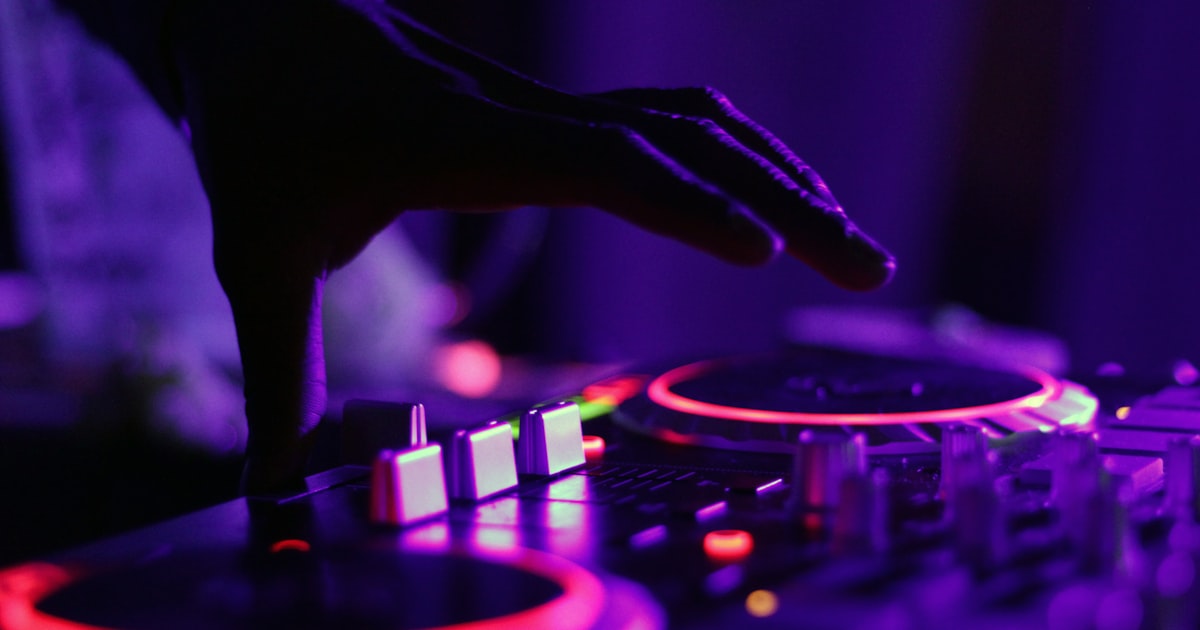
In the summer of 1988, something happened in the UK that changed music culture forever. It was not a single event. It was thousands of events, many of them illegal, all of them electric, that together created what we now call the rave scene.
The story of UK rave culture is a story about music, but it is also a story about youth, rebellion, community, and the unstoppable human desire to dance. Understanding where it came from makes it easier to understand why, thirty-five years later, electronic music events are still filling warehouses, fields, and arenas across the country every weekend.
The Acid House Summer of 1988
The summer of 1988 is called the Second Summer of Love by people who were there. House music had been born in Chicago and developed in Detroit. By 1988 it had crossed the Atlantic and was finding its audience in UK warehouses and field parties. Acid house, defined by the Roland TB-303 bass synthesizer and hypnotic repetitive structures, became the soundtrack to a generation.
The parties were illegal because they had to be. They happened in fields accessed by directions given on telephone hotlines. They happened in warehouses with no alcohol licences. At their peak in 1989 and 1990, some of these events were drawing tens of thousands of people.
The Criminal Justice Act and What Came After
The Criminal Justice and Public Order Act 1994 gave police significant new powers to stop unlicensed events, defining music characterised by repetitive beats in one of the most extraordinary passages ever written into British law. The Act did not kill rave culture. It changed it. Promoters moved into licensed venues. The superclub era began. Ministry of Sound opened in London in 1991. Cream opened in Liverpool in 1992.
The Superclub Era
Through the mid-1990s and into the 2000s, superclubs became the dominant format for electronic music culture. Massive venues with world-class sound systems, international DJ bookings, and branded identities recognisable globally. Gatecrasher in Sheffield. The Hacienda in Manchester. Fabric in London. The DJ became a star.
The Festival Era and Where We Are Now
Creamfields launched in 1998. Glastonbury added electronic stages. Coachella became a global cultural event. Electronic music had moved from fields to superclubs to the main stages of the world biggest cultural events.
GoGoRavers as a brand was born from exactly this culture, inspired by Coachella 2022, built for people who live for this experience. The LED glasses and diffraction glasses in the GoGoRavers collection exist because festival production has reached a level where the right accessories genuinely transform the experience.
What has never changed from 1988 to now is the core of it. People who love electronic music. A sound system. A crowd. The specific feeling of dancing with hundreds or thousands of other humans all responding to the same music at the same time. That has always been the point. And it still is.
#RaveHistory #UKRaveCulture #AcidHouse #RaveScene #GoGoRavers #SecondSummerOfLove #ElectronicMusicHistory
